
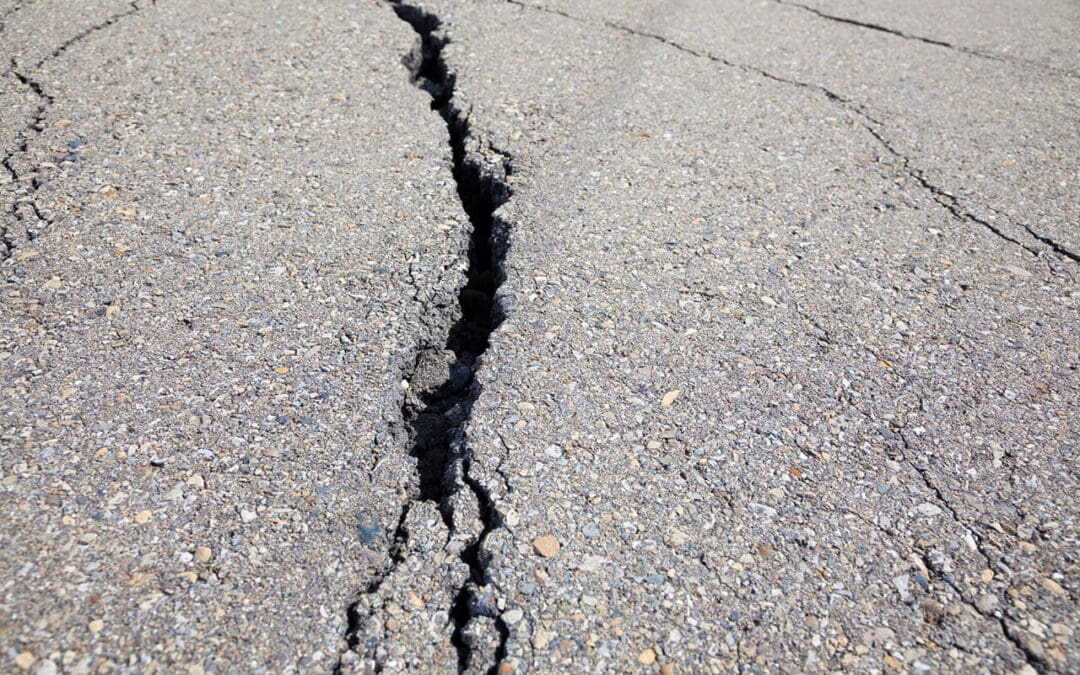
Knowing how to fix driveway issues before they escalate is the kind of home maintenance awareness that saves significant money over time. Driveways are one of those systems that deteriorate gradually, signal that deterioration clearly, and reward early intervention with years of additional service life. A crack that gets sealed in year two is a maintenance item. The same crack left unaddressed until water infiltrates, freezes, expands, and destabilizes the base beneath it is a repair or replacement project that costs many times more. Understanding how to fix issues by material type and severity is the knowledge that makes proactive maintenance possible.
How to Fix Driveway Issues in Asphalt Surfaces
Asphalt is the most common residential driveway material and the one where proactive maintenance produces the most measurable extension of service life. The primary threats to asphalt are UV degradation, water infiltration through cracks, and the freeze-thaw cycling that accelerates both. Sealing is the most important preventive treatment, a quality asphalt sealer applied every two to four years protects the surface from UV oxidation, repels water, and extends the service life of the driveway significantly beyond what an unsealed surface achieves. To fix driveway issues involving cracks before sealing, use a rubberized crack filler rated for asphalt, applied into cleaned, dry cracks and allowed to cure before the sealer coat goes over it. Potholes and larger damaged areas require cold-patch asphalt filler compacted firmly into the void before sealing. The sequence matters: repair first, then seal, never the reverse.
How to Fix Driveway Issues in Concrete Surfaces
Concrete driveways are more durable than asphalt but present different challenges, primarily because concrete cannot be resurfaced with the same simple sealing approach. Hairline cracks in concrete are common and don’t always indicate structural failure; they may result from normal curing shrinkage, minor settling, or thermal expansion and contraction. To fix driveway issues involving hairline and narrow cracks, a concrete crack filler or polyurethane caulk applied into a clean, dry crack seals the pathway for water infiltration before freeze-thaw damage widens it. Larger cracks, heaving sections, or areas where one slab edge has risen above the adjacent one indicate either a base failure or tree root intrusion, conditions that benefit from professional evaluation before any surface repair is attempted. Applying a concrete sealer after repairs protects the surface from deicing salt damage, staining, and moisture absorption.
When to Fix Yourself and When to Call a Professional
The fix driveway issues threshold between DIY repair and professional involvement follows a straightforward logic: surface conditions are DIY territory, and base or structural conditions are professional territory. Cracks under a quarter-inch wide, surface scaling, minor spalling, and small potholes are all within the capability of a prepared homeowner with the right materials. Cracks wider than a quarter-inch, multiple cracks in a network pattern, sections that have heaved or settled significantly, and drainage conditions that are directing water toward the foundation rather than away from it are the fix driveway issues signals that warrant a professional assessment before any repair material goes down. Applying surface repairs over a compromised base produces results that fail quickly and delay the correct intervention.
House Whisperer Inspections and Construction LLC provides home inspections in the Greater Finger Lakes area, including Cayuga, Cortland, Schuyler, Seneca, Tioga, and Tompkins counties. Contact us today to schedule our services.